 |
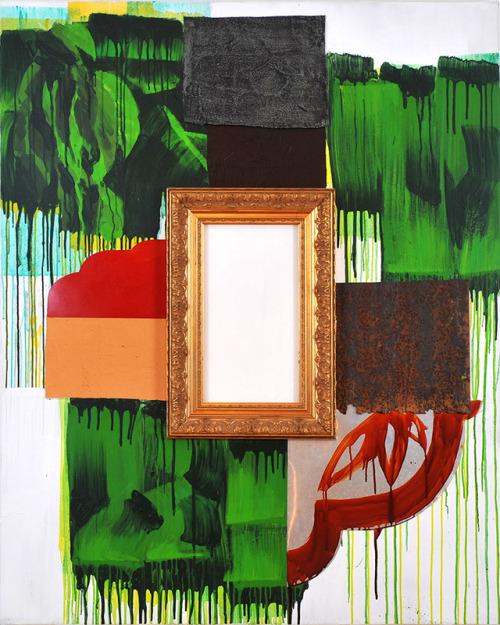
| ArtWork chosen Inspired ArtWork |
Readings:
Towards a Curatorial Activism | Dr. Maura Reilly
“Should we all be working towards a global art history, an art without borders?” (conclusion)
short response: The quote is asking us to think about whether the way we study and display art should include everyone, not just white European men. It’s pointing out that the current system is limited and biased, and it challenges us to imagine an art history that values all voices and cultures equally. I think the quote is important because it reminds us that art shouldn’t be separated by nationality, race, or gender it should reflect the creativity of all people around the world. A global approach would give everyone a chance to be seen, and it would help us understand the world in a richer, more honest way. Art shouldn’t just reflect the stories of a few it should reflect the diversity of human experience including everyone.
“It is imperative that art institutions examine not only their putative subjects, but their ideological biases as well.This will involve rethinking methodologies and iconographies for what they say, and do not say, about the constructions of race, gender, class and nation." (conclusion)
short response: This quote is saying that museums and art institutions need to think about their own biases, not just the art they show. The way they display art can send messages about race, gender, class, and where people come from, even if they don’t realize it. I think it’s really important because it reminds us that museums have a responsibility to be fair and include all kinds of voices, not just the usual ones.
What is Curatorial Activism? by Dr. Maura Reilly | ArtNews
“Now is the moment for curators to work together to acknowledge the problem, to come to a resolution, so that all peoples and their creative outputs have the opportunity for equal exposure.”
short response: This quote is basically saying that curators need to face the problem of inequality in the art world and work together to fix it. The reading shows that for years, women, non white, and LGBTQ artists have often been left out of museums and big exhibitions. I think it’s important because it reminds us that curators have the power to make a real difference by including these artists, they can create a fairer, more inclusive art world where everyone’s creativity is recognized.
“Mainstream curators today must unlearn both racism and sexism…learning how to listen is not enough; we must first listen to ourselves.”
short response:This quote is pointing out that curators can’t just follow trends or listen to outside criticism they need to reflect on their own beliefs and biases first. The reading shows that many famous curators have unconsciously favored white male artists, which keeps women, non white, and LGBTQ artists underrepresented. I think it’s powerful because it reminds us that real change starts from within; before curators can fairly represent all artists, they have to question their own assumptions and the systems they’ve accepted.


No comments:
Post a Comment